Open the exact family listing to compare the live price, availability, delivery, seller, and returns.
Choose between belt-positioning booster seats and forward-facing harnessed seats for one concrete job: position the vehicle belt correctly for a mature child who can remain seated for the whole trip. Compare four product-level checks, ownership cost, and the failure mode you can actually recover.
Prepared by the NestCheck Picks editorial deskUpdated August 9, 2026
Quick answer
The practical answer
Belt-positioning booster seats are the stronger choice when their specialized path can position the vehicle belt correctly for a mature child who can remain seated for the whole trip. Choose forward-facing harnessed seats when it reaches the same outcome with fewer fit, setup, or maintenance dependencies—especially when the child cannot sit correctly, only a lap belt is available, the vehicle lacks required head support, or a harnessed seat is still appropriate.
Common buying question
Should you choose belt-positioning booster seats or forward-facing harnessed seats for this job?
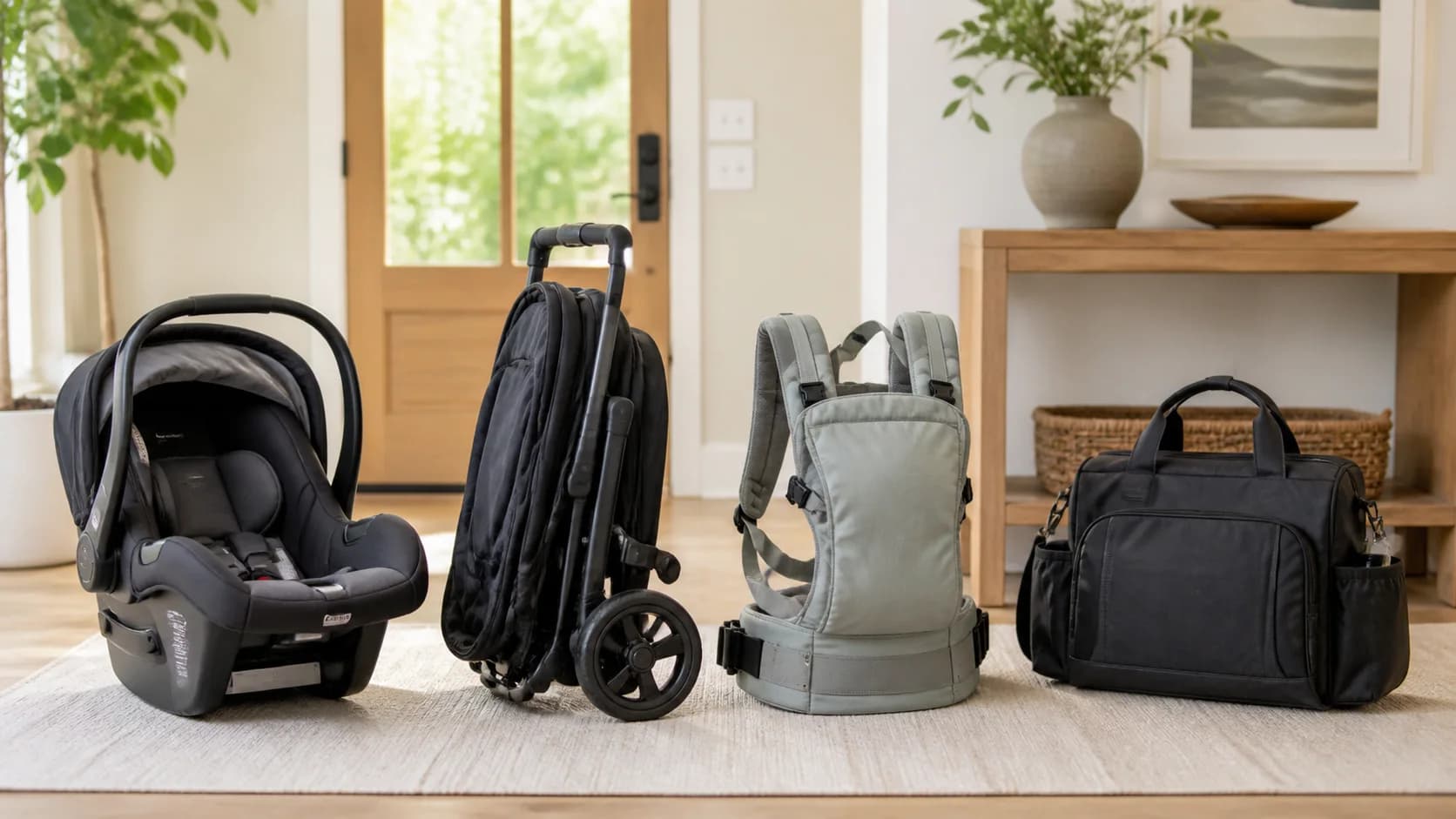
Original editorial image for category, fit, and use context; verify the exact linked product appearance and configuration on the retailer page.
The real fork is specialized function versus forward-facing harnessed seats
Belt-positioning booster seats win when they can position the vehicle belt correctly for a mature child who can remain seated for the whole trip and that function removes a known recurring problem. forward-facing harnessed seats win when they reach the same outcome with fewer dependencies, less maintenance, a more understandable failure mode, or a cleaner return path.
Normalize minimum age, height, and weight and lap and shoulder belt path
Compare both paths across the same child stage, caregiver, room or vehicle, transfer, cleaning routine, supervision, and emergency fallback, with every required dependency included. A complete belt-positioning booster seats package should not be compared with an incomplete alternative, and a retailer headline should not replace product-level compatibility evidence.
Use high-back versus backless vehicle support and headrest, buckle access, and side fit as tie-breakers
In a belt-positioning booster seats comparison, high-back versus backless vehicle support and headrest, buckle access, and side fit reveal the friction that appears after an attractive demo. Choose the path that can be installed, used, cleaned, updated, and recovered by the people who will actually own it. Prefer the simpler failure mode when performance is otherwise close.
Compare ownership, not only purchase price
Belt-positioning booster seats bring an ownership path of growth checks, vehicle changes, cover cleaning, LATCH use when allowed, and replacing after events specified by the manufacturer. Price that against the maintenance and replacement work of forward-facing harnessed seats over one normal year. Include the value of time and the cost of losing the service while a proprietary part, account, or repair is unavailable.
Make the choice reversible
Use this test path before the return window closes: place the booster in a lap-and-shoulder-belt position, check belt contact on the child, and observe posture through a real ride. Preserve the old setup and packaging until the product survives normal use. Choose the alternative immediately when the child cannot sit correctly, only a lap belt is available, the vehicle lacks required head support, or a harnessed seat is still appropriate.
Belt-positioning booster seats and forward-facing harnessed seats: the decision dimensions
Check
Belt-positioning booster seats
forward-facing harnessed seats
Primary job
Best when the product can position the vehicle belt correctly for a mature child who can remain seated for the whole trip.
Best when the same outcome needs fewer specialized dependencies.
Check 1
Verify minimum age, height, and weight.
Confirm the alternative removes or simplifies minimum age, height, and weight.
Check 2
Verify lap and shoulder belt path.
Confirm the alternative removes or simplifies lap and shoulder belt path.
Check 3
Verify high-back versus backless vehicle support.
Confirm the alternative removes or simplifies high-back versus backless vehicle support.
Check 4
Verify headrest, buckle access, and side fit.
Confirm the alternative removes or simplifies headrest, buckle access, and side fit.
Skip signal
Skip when the child cannot sit correctly, only a lap belt is available, the vehicle lacks required head support, or a harnessed seat is still appropriate.
Prefer the alternative only after confirming it solves the same repeated problem.
Authoritative car-seat selection, installation, and child-fit baseline; other travel products still require their exact instructions. Verify the exact product instructions and current listing separately.
Public owner context
Questions to answer before buying
Community discussions help surface installation, fit, maintenance, and failure questions. They are anecdotal context, not product specifications or a substitute for current instructions.
A public owner discussion used to identify questions and failure modes. Comments are anecdotal; no username, vote count, rating, or verbatim review is reproduced, and product facts must be verified independently.
Research notes
How we evaluated these choices
1.Define one independent purchase or use question for this URL.
2.Verify the four family-specific dimensions: minimum age, height, and weight; lap and shoulder belt path; high-back versus backless vehicle support; headrest, buckle access, and side fit.
3.Use an exact Amazon ASIN only as a current retailer identity and checkout anchor, not as hands-on evidence.
4.Separate public community discussion from official specifications and editorial judgment.
5.Keep a written stop condition and a reversible test path.